
"iodine flavor"
500 article(s) found
Coffee beans common sense coffee roasting defective beans introduction
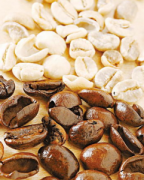
Mildewed beans: because the drying is not complete, or in the transportation, storage process damp, and grow cyan, white mold, sometimes make beans stick together, if not remove these moldy beans, will produce mildew smell. Dead beans: beans that bear abnormal fruit. The color is not easily changed by baking, so it is easy to distinguish. The flavor is thin and harmful as silver skin, which will become peculiar smell.

Basic knowledge of boutique coffee introduces several kinds of coffee defective beans
Moldy beans: because of incomplete drying, or damp in the process of transportation and storage, cyan and white molds grow, which sometimes make the beans stick together. If these moldy beans are not removed, they will produce moldy smell. Dead beans: beans with abnormal results. The color is not easy to change because of baking, so it is easy to distinguish. The flavor is thin, as harmful as silver skin, and will become a peculiar smell.

What varieties and flavors of Brazilian Minas coffee beans have been described and their producing regions
It is said that the governor's wife of French Gayana was so fascinated by the officer that she secretly brought coffee tree seeds to him at the farewell dinner. At present, 2 million hectares of land in Brazil is used to grow coffee, and the largest is Arabica. These beans will eventually be sent to various countries for large-scale baking.

Brazilian beans with mellow flavor, sweet mix beans, commercial coffee beans, raw beans, American coffee.
Brazil is the largest coffee producer in the world, and its history can be traced back to the early 17th century. Although the output of Brazilian coffee is the largest in the world, most of them are low-quality Arabica beans and Robusta coffee beans. This is because most of the Brazilian coffee grows in a low altitude, non-volcanic soil, or even a prairie with no forest shade at all.

The main varieties of Brazilian coffee beans introduce the graded flavor characteristics and the best roasting degree of Brazilian coffee.
Following Cafe Review (Wechat official account vdailycom) found that Beautiful Cafe opened a small shop of its own with quality beans: Sando-style NO.2, size NO.18. Taste characteristics: mild, bitter medium, soft aroma. The best degree of fried culture: medium fried culture. Although the main varieties of coffee are diverse, Brazilian coffee is suitable for the taste of the public. For example, produced in the northern coastal areas.

Flavor description of Honduran Coffee beans introduction to Grinding scale of varieties in Taste producing area
The term "fine coffee" was first put forward by Ms. Knudsen of the United States in Coffee and Tea magazine, when Ms. Knudsen, as a coffee buyer at B.C. Ireland in San Francisco, ignored the quality of raw coffee in the industry, and even some big roasters mixed a lot of Rob in the mixed beans.

How to select coffee beans and how to distinguish defective beans?
Is to learn to check the shelf life of coffee beans, coffee beans begin to oxidize after baking, just like aluminum powder, although the speed is not so fast, but the principle is still the same. And coffee beans have the characteristics of moisture absorption and flavor absorption, so try to buy fresh coffee beans, but for this habit of coffee beans, do not throw away coffee beans that have gone bad, as a dry refrigerator or wardrobe.

Classification of defective coffee beans
There are two main categories: one is formed by soaking coffee in the fermentation tank for too long during washing, and is contaminated by the water washing coffee beans; the other is stacked in the warehouse, thus attaching bacteria and the surface of the beans becomes mottled. Fermented beans are difficult to distinguish from the appearance, so special attention should be paid to hand selection. Fermented beans produce a rancid smell if mixed with coffee. 5. Dead beans die

Description of flavor of Brazilian Hilado coffee beans introduction to grinding scale of varieties produced in different regions
The old bourbon coffee is grown on some estates in the Serrado district of Minas Greais state in southeastern Brazil. Old varieties of bourbon coffee grown on these estates, such as Capin Branco and Vista Allegre, are also sold on the market. Although they come from the same area, these coffees have their own characteristics.
High-quality coffee beans defective beans in coffee baking
Moldy beans: because of incomplete drying, or damp in the process of transportation and storage, cyan and white molds grow, which sometimes make the beans stick together. If these moldy beans are not removed, they will produce moldy smell. Dead beans: beans with abnormal results. The color is not easy to change because of baking, so it is easy to distinguish. The flavor is thin, as harmful as silver skin, and will become a peculiar smell.

Basic knowledge of boutique coffee beans introduction to several kinds of coffee defective beans
Moldy beans: because of incomplete drying, or damp in the process of transportation and storage, cyan and white molds grow, which sometimes make the beans stick together. If these moldy beans are not removed, they will produce moldy smell. Dead beans: beans with abnormal results. The color is not easy to change because of baking, so it is easy to distinguish. The flavor is thin, as harmful as silver skin, and will become a peculiar smell.

Characteristics of Brazilian Coffee Flavor description method introduction to Fine Coffee beans
Because there are so many kinds of Brazilian coffee in Brazil, you can't just use the word Brazilian coffee to include it. Like other Arabica coffee, Brazilian coffee is called Brazils to distinguish it from Milds coffee. The vast majority of Brazilian coffee is unwashed and sun-dried and is classified according to the name of the state of origin and port of transport. Brazil has 21 states and 17 states produce coffee, but some of them
What is the country with the largest coffee production? What are the flavor characteristics of Brazilian coffee beans? What is the main variety of Brazilian coffee?
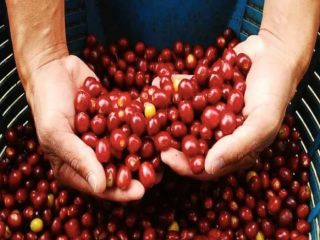
Brazil is the world's largest coffee producer, coffee is mostly produced in the plains or plateau savanna climate zone, the annual average temperature is about 20℃, excellent climate and most flat geographical conditions can be Brazil large-scale coffee cultivation, and is mechanically harvested coffee fruit, you can imagine, the yield is naturally amazing. Brazilian coffee.
On the testing methods and advantages and disadvantages of high-quality coffee cups
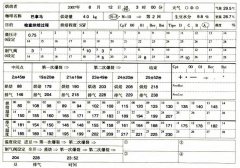
The significance of cup test is to evaluate and compare several different kinds of coffee at the same level. It is also an important course in coffee training and barista training. Next, let's explore the secret of coffee cup testing with Mr. Hu of Baitianhui Coffee training School.

Flavor description of coffee beans in the state of Bahia, Brazil
The flavor description of coffee beans in the Brazilian state of Bahia is 31 kilometers away from the city of Rio de Janeiro and 1692 kilometers away from the Brazilian commercial town of Sao Paulo. [economy] Bahia is the state with the highest GDP in the northeastern states of Brazil, and its average economic growth rate has exceeded that of Brazil over the years, and it plays an important role in the political and economic fields of Brazil. The state and Pakistan

Do you know Brazilian coffee beans? what is Brazilian half-sun? Introduction to the characteristics of Brazilian coffee beans
Professional coffee knowledge exchange more coffee bean information please follow the coffee workshop (Wechat official account cafe_style) recognize Brazilian coffee Central and South America is the world's largest coffee producing region, of which Brazil is the world's largest coffee producing country, while Brazilian coffee is dominated by bourbon, bourbon variants Kaddura, New World and Kaddura. With the sharp rise in prices in recent years, coffee fields have been replanted with corn.

Brazilian Coffee Manor and description of its Taste and Flavor introduction of varieties produced in planting environment
Brazilian Coffee Manor and Flavor description growing Environment Variety introduction since the introduction of coffee trees from French Guiana (Guyana) in 1720, coffee production has gradually become a science. Before 1990, the Brazilian government carried out strict monitoring of the coffee industry, with both strict intervention and price protection measures, and the state has been implementing minimum price protection measures for farmers.
Selection of coffee beans introduction to defective beans in coffee roasting
Moldy beans: because of incomplete drying, or damp in the process of transportation and storage, cyan and white molds grow, which sometimes make the beans stick together. If these moldy beans are not removed, they will produce moldy smell. Dead beans: beans with abnormal results. The color is not easy to change because of baking, so it is easy to distinguish. The flavor is thin, as harmful as silver skin, and will become a peculiar smell.
Coffee roasting distinguishes coffee raw beans from defective beans
Beans with average shape, thickness, size, color, extension of the central line, etc., are the best. Washed Arabica raw coffee beans must be uniform and glossy in appearance, and should not be uneven or dull in color. The colors of raw beans are cyan, brown and other colors, and the color of beans represents water content. Cyan indicates moisture

Brazilian Coffee introduces the main coffee producing areas and taste graded coffee producing areas in Brazil.
The Republic of Brazil was born in 1890. In the early stage, it was similar to a military dictatorship. Nevertheless, the government recognizes the importance of coffee as a source of profit, especially due to the decline in the value of sugar and gold in the international market. The current policy allows coffee to be overproduced in the hope of replacing competitors; this is a promising strategy. Brazil is the biggest coffee in the world.